“You can’t defend. You can’t prevent. The only thing you can do is detect and respond”
(Bruce Schneier)
Welcome to the PurPest Project website
“You can’t defend. You can’t prevent. The only thing you can do is detect and respond”
(Bruce Schneier)
Welcome to the PurPest Project website
“You can’t defend. You can’t prevent. The only thing you can do is detect and respond”
(Bruce Schneier)
Welcome to the PurPest Project website
“You can’t defend. You can’t prevent. The only thing you can do is detect and respond”
(Bruce Schneier)
Welcome to the PurPest Project website
“You can’t defend. You can’t prevent. The only thing you can do is detect and respond”
(Bruce Schneier)
International experts discuss major threats to European plant health
News
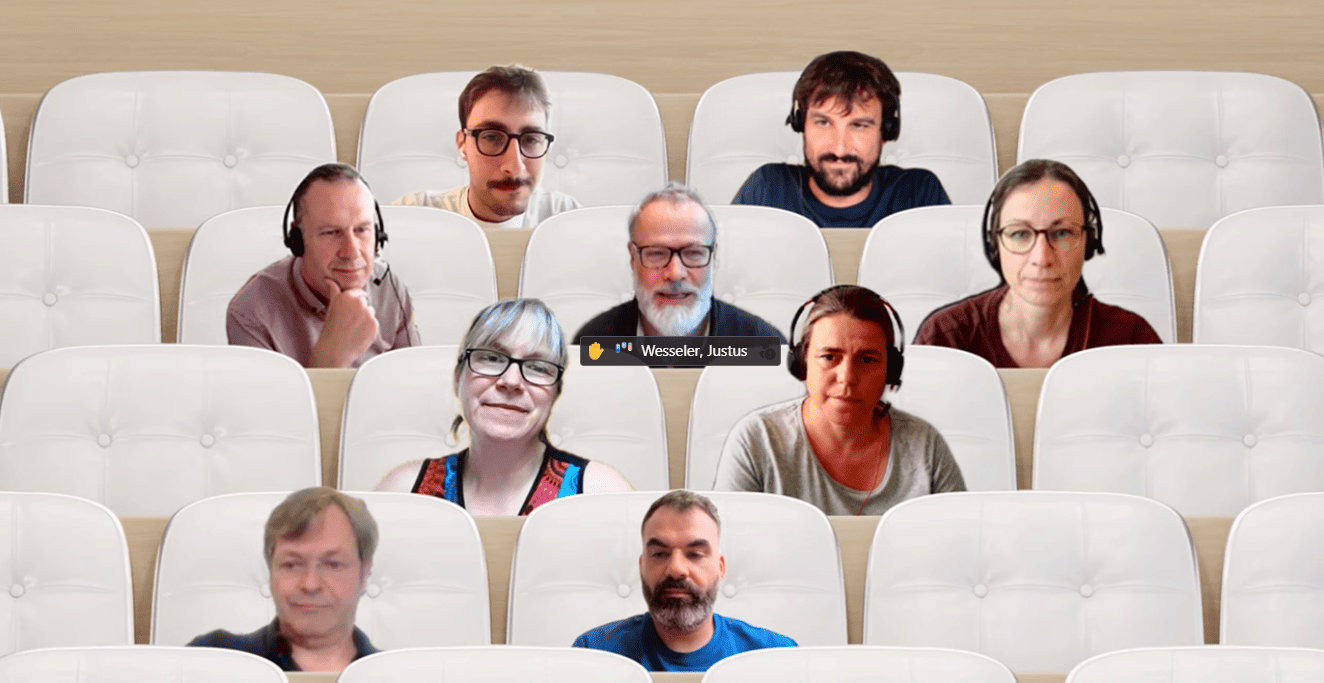
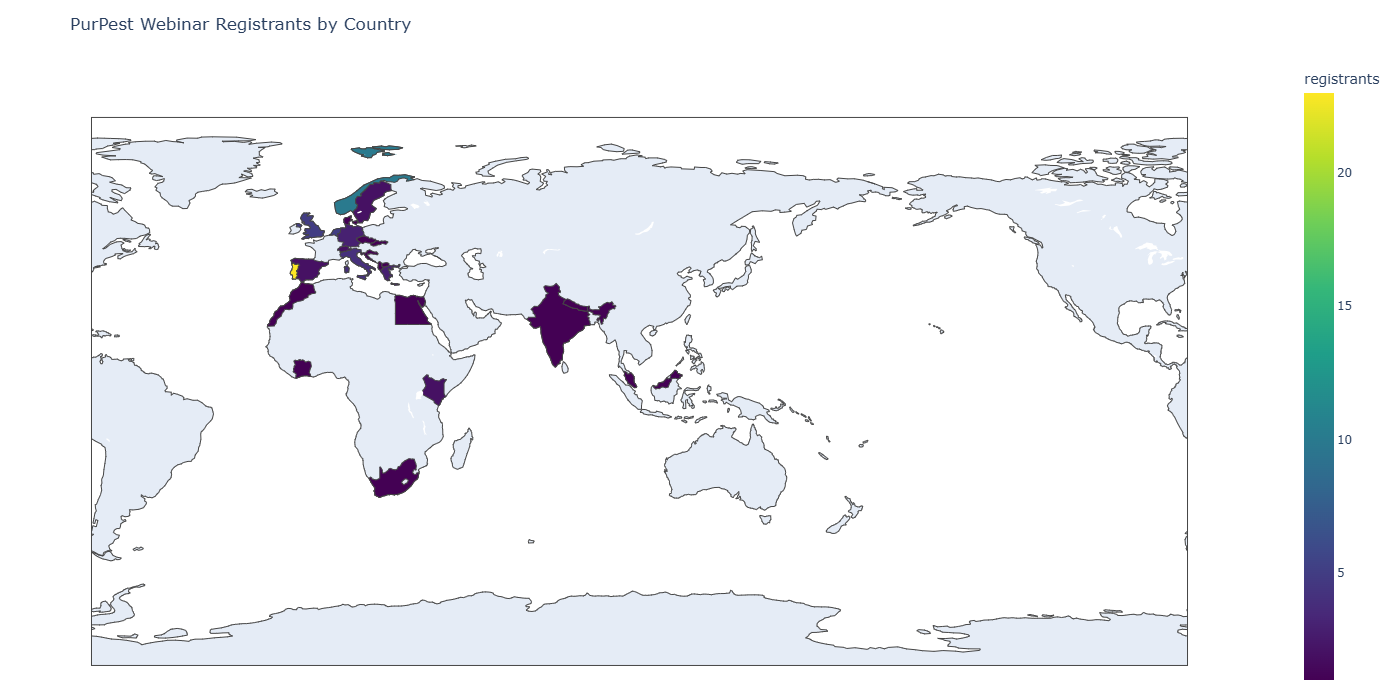
In its mission to raise awareness of plant pests and pathogens threatening Europe's agriculture and forestry, PurPest's second stakeholder webinar brought together participants from 24 countries across Europe, Africa, and Asia.
The webinar focused on the growing threats posed by invasive pests and pathogens to European agriculture, horticulture, and forestry, while exploring how emerging Volatile Organic Compound (VOC)-based sensor technologies could enable faster and more accessible early detection.
Moderated by Justus Wesseler (WUR, Netherlands), the event featured contributions from experts across the PurPest consortium and partner institutions.
Andrea Ficke (NIBIO, Norway) opened the session with an overview of the PurPest project and its objectives. Speakers then addressed the biology, distribution, and impact of several major plant health threats targeted within the project, including the fall armyworm (Spodoptera frugiperda), Phytophthora ramorum, the pinewood nematode (Bursaphelenchus xylophilus), cotton bollworm (Helicoverpa armigera), and the brown marmorated stink bug (Halyomorpha halys). These topics were presented by Amandine André (UNINE, Switzerland), Thomas Jung (MENDELU, Czechia), Jorge Faria (INIAV, Portugal), Jörg Romeis (Agroscope, Switzerland), and Jana Collatz (Agroscope, Switzerland), respectively.
The programme also highlighted the development of VOC-based "e-nose" technologies for rapid and non-destructive pest and pathogen detection. Damien Bazin (AIRMOTEC, France) presented the current state and applications of the sensor devices being developed within the project, while Stelios Kartakis (WUR, Netherlands) discussed the potential socioeconomic implications of these technologies, including their adoption potential in European nurseries and the economic costs associated with PurPest target pests.
The webinar concluded with an interactive discussion session, reinforcing the importance of collaboration between researchers, technology developers, plant health professionals, and stakeholders to strengthen plant biosecurity and support more sustainable agricultural and forestry systems across Europe.
Missed the webinar? Watch the full recording below to learn more about the major plant health threats addressed within the PurPest project and the innovative VOC-based detection technologies under development.