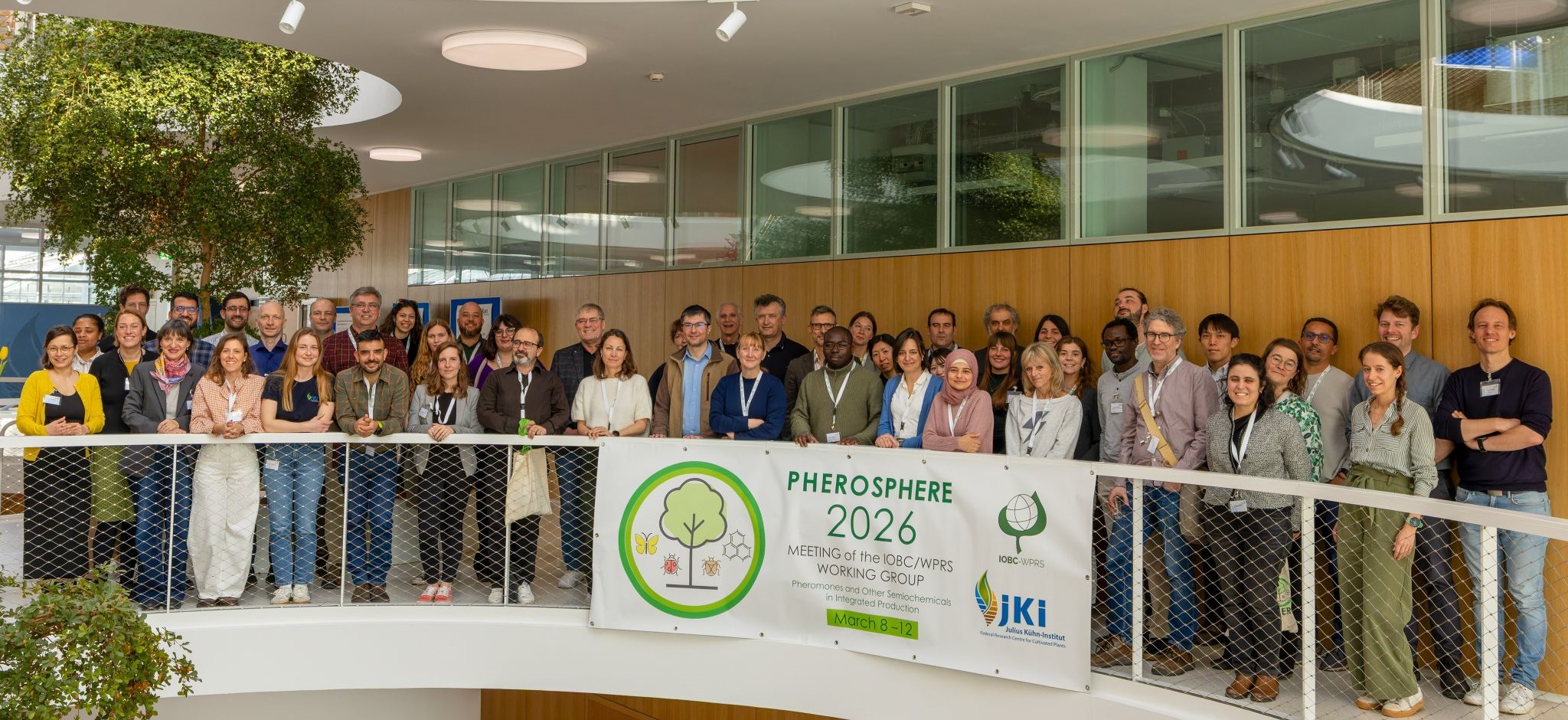
A dedicated session entitled "Pest Volatile Fingerprints for Early Detection and Monitoring" highlighted several research activities carried out within the PurPest project and by project collaborators. The session featured five presentations exploring the use of VOCs and sensing technologies for the early detection of plant pests and pathogens:
Ali Karimi (Julius Kühn-Institut, Germany) presented "Dual biotic stressors shape volatile organic compound emission patterns in pome fruit trees", examining how simultaneous pest and pathogen attacks influence VOC emissions in apple and pear trees. Óscar González López (Universidad de La Rioja, Spain), who completed a sabbatical stay at JKI as part of PurPest, presented "Potential of Volatile Organic Compounds as Early Indicators of Biotic Stress in Malus domestica", focusing on VOC signatures associated with 'Candidatus Phytoplasma mali' and woolly apple aphid infestations. Amandine André (University of Neuchâtel, Switzerland) presented "Application of odor-sensing devices for early pest detection", showcasing advances in sensor technologies for non-destructive detection of plant pests. Charles Kwadha (Norwegian Institute of Bioeconomy Research – NIBIO, Norway) presented "The smell of Phytophthora: Characterization of Phytophthora-infected Rhododendron and Larix plants", investigating VOC profiles associated with Phytophthora infections. Marta Bosque Fajardo (NIBIO, Norway) presented "Do we find pest specific volatile cues which can reliably detect the Cotton Bollworm, independent of host plant species and independent of environmental stress?", exploring robust VOC markers for the early detection of Helicoverpa armigera.
Together, these contributions demonstrated the breadth of PurPest's research on volatile organic compounds, sensor technologies, and early pest detection, while fostering collaboration between project partners and the wider scientific community working on innovative and sustainable plant health solutions.
The PurPest and EmergeNOW Horizon Europe projects have officially initiated a collaboration through a joint online meeting to identify common ground, foster synergies, and lay the foundations for future cooperation between the two consortia.
The meeting brought together the PurPest team, represented by Andrea Ficke, Maria Lurdes Inácio, and David Pires, alongside EmergeNOW's Communication and Dissemination Officer, Maria Zafiropoulou. Discussions focused on exchanging knowledge, identifying complementary expertise, and exploring how the two projects can maximise their collective impact in the field of plant health.
While PurPest develops innovative technologies for the early detection and management of priority plant pests and pathogens, EmergeNOW is advancing rapid, on-site diagnostic solutions for emerging threats at points of entry. Together, the projects share a common ambition to strengthen Europe's preparedness against plant pest and pathogen incursions through innovation, digitalisation, and improved surveillance.
PurPest looks forward to continuing its collaboration with EmergeNOW and developing joint activities that contribute to more resilient and sustainable plant health systems across Europe.
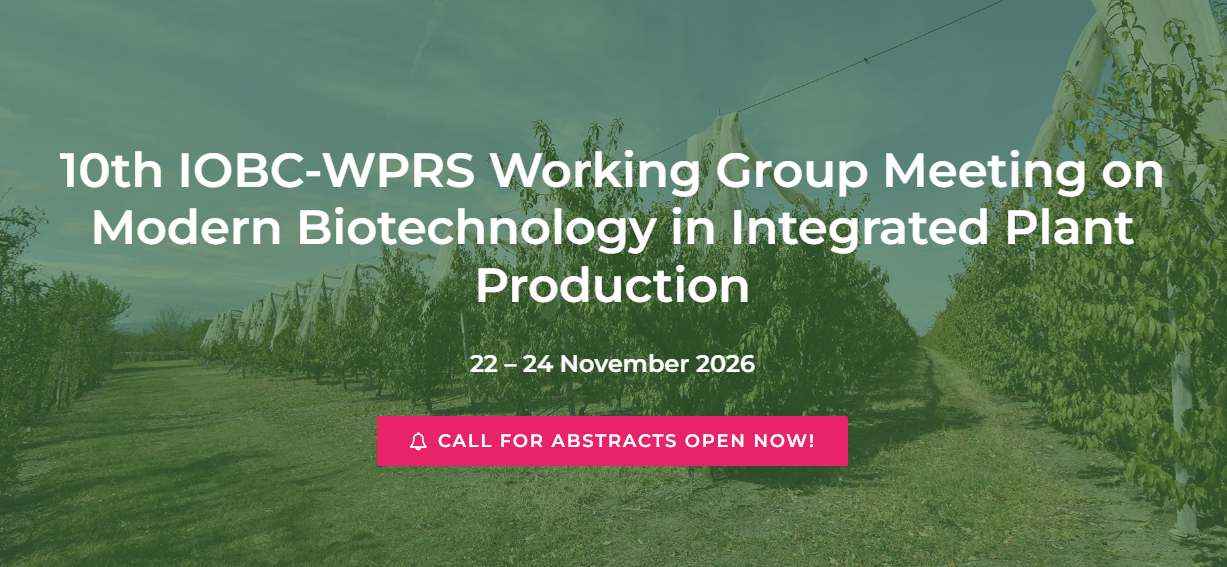
The IOBC-WPRS Working Group "Modern Biotechnology in Integrated Plant Production" is pleased to announce its upcoming meeting, which will be jointly hosted with the EU-funded project REACT and focused on the theme "Innovative Pest Control: Shaping the Future of Sustainable Agriculture", will take place from 22–24 November 2026 in Chania, Crete, Greece.
The scientific programme focuses on emerging biotechnological tools for pest management, including genetic pest control, RNA interference, biocontrol, early detection and diagnostics, surveillance technologies, and the regulatory and policy frameworks needed for their responsible implementation. These topics closely align with PurPest's mission to advance innovative, sustainable, and science-based solutions for managing priority pests affecting European agriculture and forestry.
PurPest coordinator Andrea Ficke will represent the project at the meeting, engaging with the international research community and contributing to discussions on the future of sustainable pest management. The event provides an important opportunity to strengthen collaborations, exchange knowledge across disciplines, and ensure that PurPest remains connected to the latest scientific and technological developments relevant to integrated pest management and plant health.
More information and the registration link are available on the meeting's website.
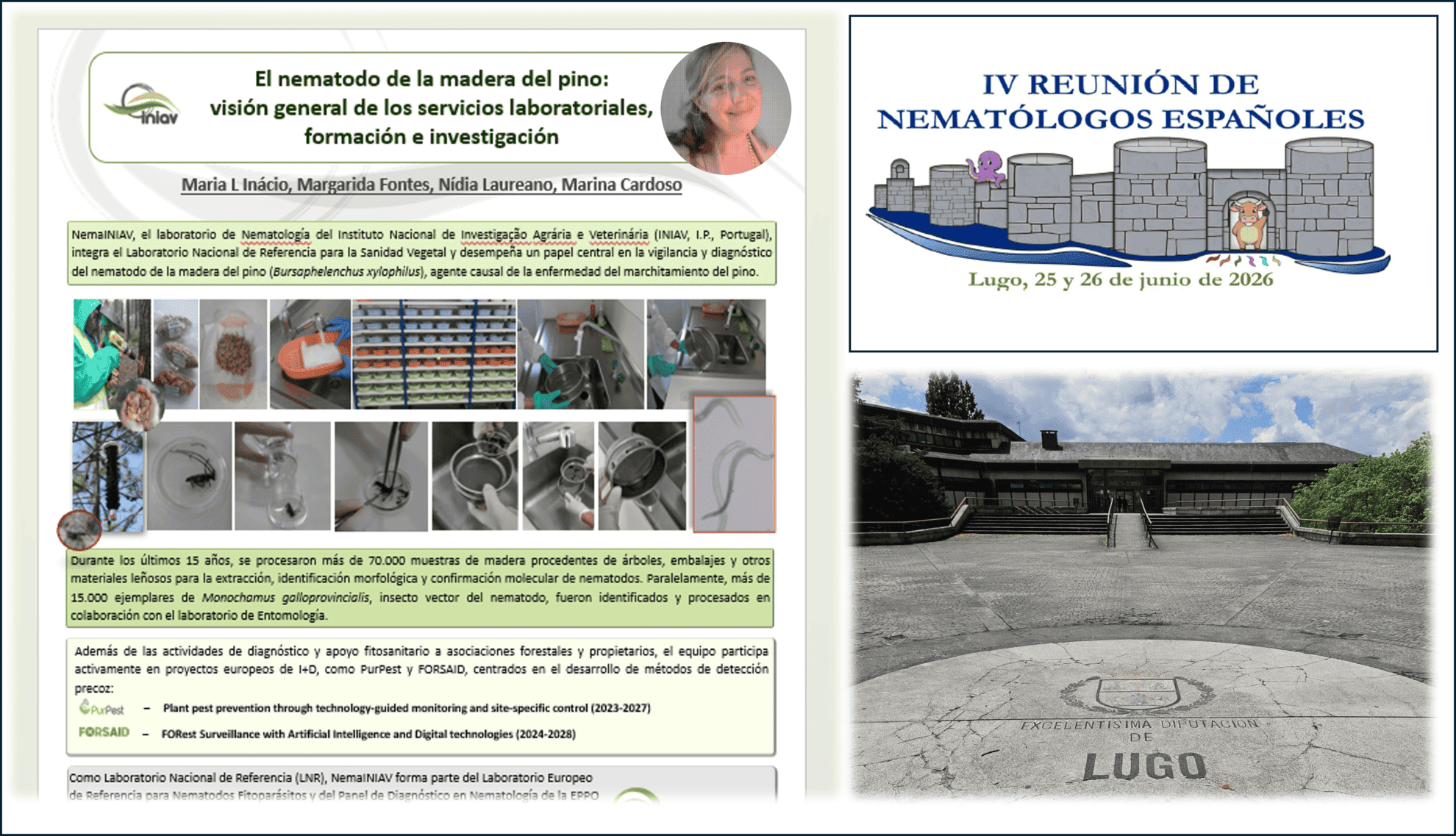
PurPest was represented at the IV Reunión de Nematólogos Españoles, held in Lugo, Spain, on 25–26 June 2026, bringing together researchers and professionals working in the field of Nematology.
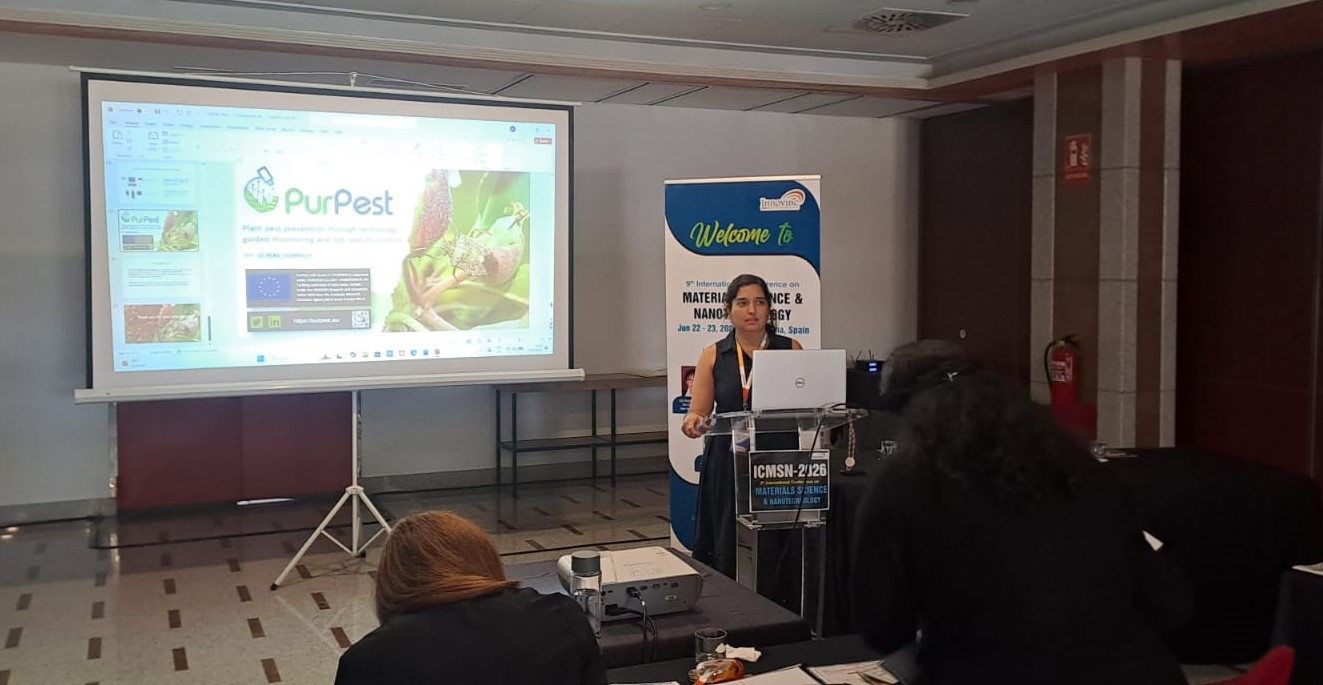
As part of the scientific programme, Maria Lurdes Inácio presented the poster "El nematodo de la madera del pino: visión general de los servicios laboratoriales, formación e investigación" ("The pinewood nematode: an overview of laboratory services, training and research"). The presentation showcased the activities of Portugal's National Reference Laboratory for Plant-Parasitic Nematodes, highlighting its role in the surveillance, diagnostics, research, and training related to the pinewood nematode (Bursaphelenchus xylophilus).
The poster also featured the laboratory's involvement in several European research initiatives, including PurPest, where advanced technologies are being developed to improve the early detection and site-specific management of plant pests.
The meeting provided an excellent opportunity to exchange knowledge with the Spanish nematology community, discuss emerging challenges in plant-parasitic nematodes, and strengthen collaborations across the Iberian Peninsula.
The work highlighted PurPest's portable sensing platform, designed to detect volatile organic compounds (VOCs) emitted by plants under stress and by pests such as the pinewood nematode (Bursaphelenchus xylophilus). Combining technologies including pre-concentrators, 3D-printed micro gas chromatography (μ-GC), advanced materials, and surface-enhanced Raman scattering (SERS) sensors, the system aims to support earlier pest detection and more precise crop protection decisions.
By bringing together expertise from materials science, nanotechnology, molecular biology, and plant health, these research initiatives illustrate the growing potential of integrated sensor platforms to transform pest surveillance and support more sustainable farming practices.
The conference presentation marked Maria João's final dissemination activity connected to PurPest following the completion of her involvement in the project. Throughout her time with PurPest, she contributed to advancing innovative detection technologies for plant-parasitic nematodes and helped communicate the project's scientific achievements to international audiences.
We thank Maria João for her contributions to PurPest and wish her every success in the next stage of her scientific career.
PurPest has recently attracted the attention of CAP Network Ireland, which is identifying Horizon Europe projects that can provide practical knowledge and insights for Irish farmers, policymakers, and agricultural stakeholders.
As part of this initiative, Leo McGrane of the Irish CAP Network interviewed PurPest Coordinator Andrea Ficke to discuss how the project's results could continue delivering value beyond its lifetime. The conversation focused on several key outputs with long-term potential, including the development of an open-access FAIR database of volatile organic compounds (VOCs) associated with plant pests and diseases, as well as data on the economic and ecological impacts of the five target pests studied within PurPest.
These resources could help inform future plant health strategies and support evidence-based policymaking to improve pest monitoring, prevention, and management.
The discussion also highlighted PurPest's longer-term innovation ambitions. By combining advanced sensor technologies with biological knowledge of pest-associated VOC signatures, the project is laying the groundwork for future tools capable of detecting horticultural and agricultural pests in fields, nurseries, and import inspection sites.
The Irish CAP Network is currently preparing a series of "knowledge pods" summarizing the relevance of selected Horizon Europe projects for Ireland's agricultural sector. PurPest looks forward to reviewing the forthcoming summary and exploring how its research can contribute to strengthening plant health and sustainable agriculture across Europe.
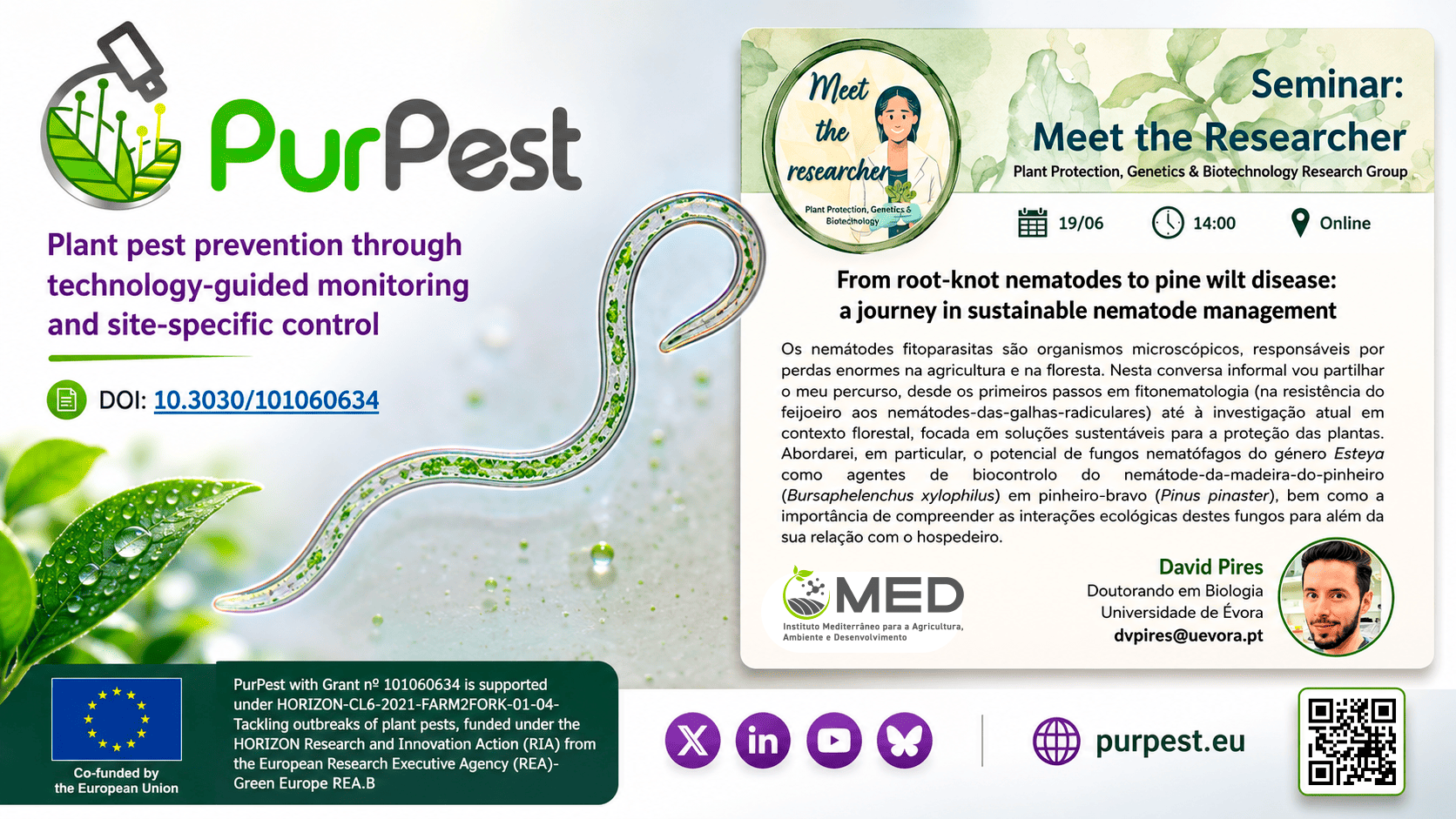
On June 19, PurPest Communication and Dissemination Officer David Pires presented at the "Meet the Researcher" seminar series, organized by the Plant Protection, Genetics & Biotechnology Research Group at the Mediterranean Institute for Agriculture, Environment and Development (MED), University of Évora.
His talk, "From root-knot nematodes to pine wilt disease: a journey in sustainable nematode management", traced his research trajectory in plant nematology, from early work on root-knot nematodes to current research on biological control strategies against the pinewood nematode. The presentation concluded with reflections on the role of science communication in research projects such as PurPest.
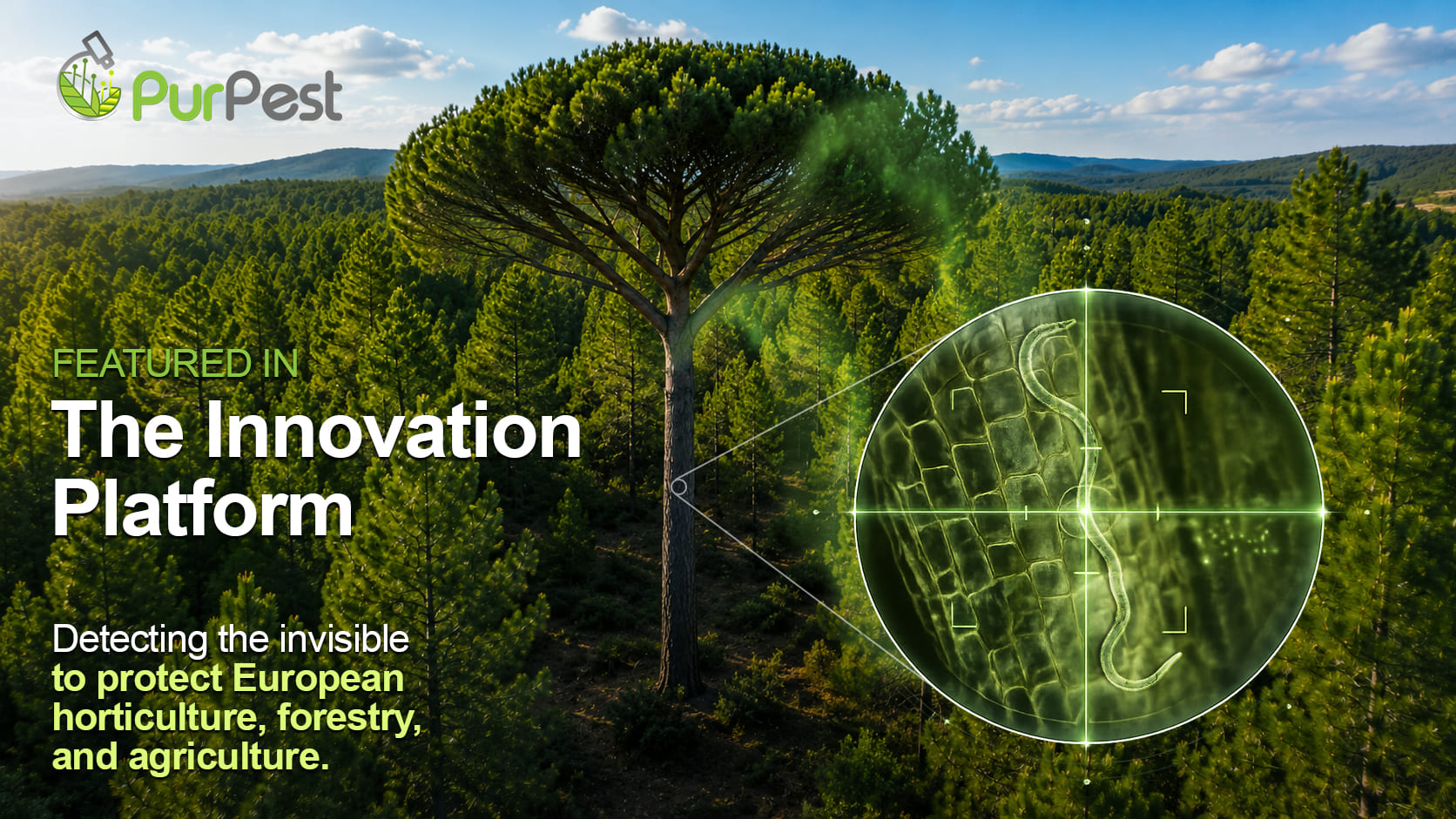
Thanks to the efforts of Andrea Ficke, PurPest has been featured in Issue 26 of The Innovation Platform, a leading science and technology publication reaching policymakers, researchers, and industry stakeholders across Europe and beyond.
The four-page article outlines the project's approach to using volatile organic compounds (VOCs) as early-warning signals for invasive and highly damaging plant pests and diseases. It highlights the limitations of current border inspection practices and the potential of the PurPest sensor system prototype to transform plant health monitoring and strengthen the detection of harmful organisms at import sites.
The article also showcases how PurPest is bringing together expertise in plant health, chemical ecology, sensor technology, and data science to develop innovative tools for preventing the introduction and spread of invasive pests across Europe. The full article is freely accessible online.
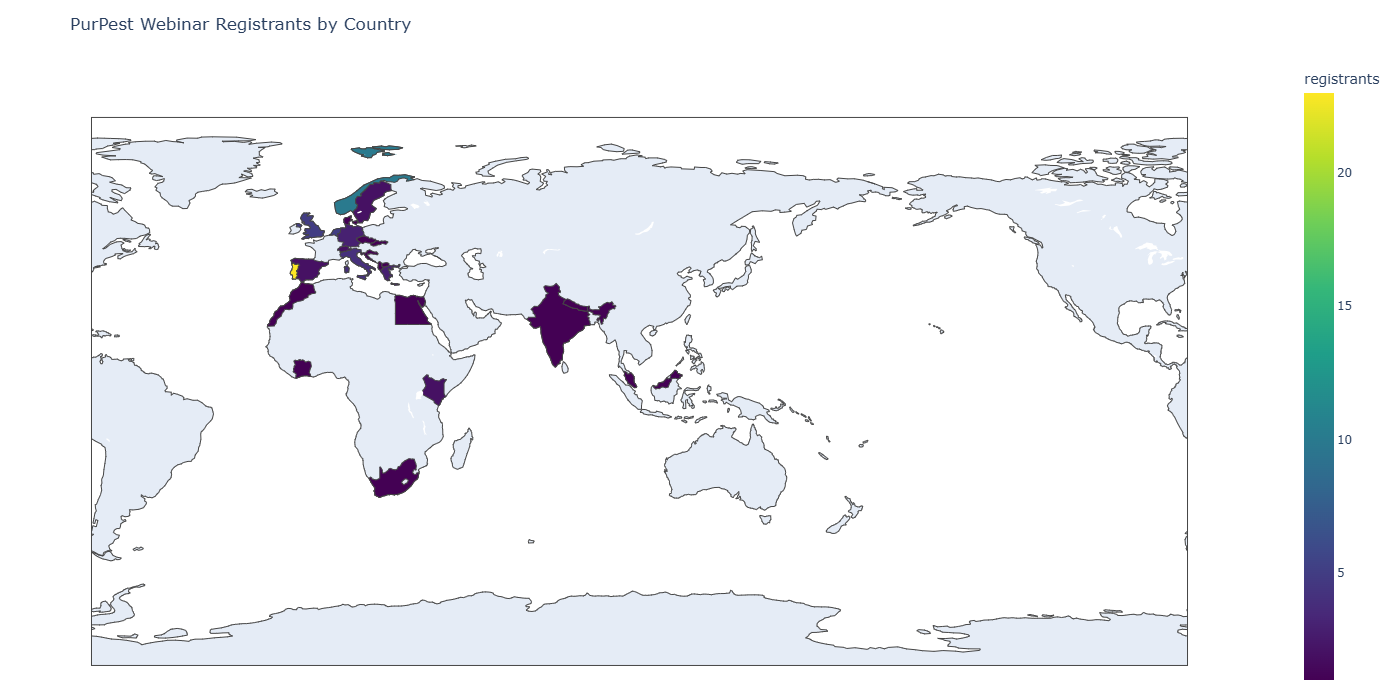
In its mission to raise awareness of plant pests and pathogens threatening Europe's agriculture and forestry, PurPest's second stakeholder webinar brought together participants from 24 countries across Europe, Africa, and Asia.
The webinar focused on the growing threats posed by invasive pests and pathogens to European agriculture, horticulture, and forestry, while exploring how emerging Volatile Organic Compound (VOC)-based sensor technologies could enable faster and more accessible early detection.
Moderated by Justus Wesseler (WUR, Netherlands), the event featured contributions from experts across the PurPest consortium and partner institutions.
Andrea Ficke (NIBIO, Norway) opened the session with an overview of the PurPest project and its objectives. Speakers then addressed the biology, distribution, and impact of several major plant health threats targeted within the project, including the fall armyworm (Spodoptera frugiperda), Phytophthora ramorum, the pinewood nematode (Bursaphelenchus xylophilus), cotton bollworm (Helicoverpa armigera), and the brown marmorated stink bug (Halyomorpha halys). These topics were presented by Amandine André (UNINE, Switzerland), Thomas Jung (MENDELU, Czechia), Jorge Faria (INIAV, Portugal), Jörg Romeis (Agroscope, Switzerland), and Jana Collatz (Agroscope, Switzerland), respectively.
The programme also highlighted the development of VOC-based "e-nose" technologies for rapid and non-destructive pest and pathogen detection. Damien Bazin (AIRMOTEC, France) presented the current state and applications of the sensor devices being developed within the project, while Stelios Kartakis (WUR, Netherlands) discussed the potential socioeconomic implications of these technologies, including their adoption potential in European nurseries and the economic costs associated with PurPest target pests.
The webinar concluded with an interactive discussion session, reinforcing the importance of collaboration between researchers, technology developers, plant health professionals, and stakeholders to strengthen plant biosecurity and support more sustainable agricultural and forestry systems across Europe.
Missed the webinar? Watch the full recording below to learn more about the major plant health threats addressed within the PurPest project and the innovative VOC-based detection technologies under development.