“You can’t defend. You can’t prevent. The only thing you can do is detect and respond”
(Bruce Schneier)
Welcome to the PurPest Project website
“You can’t defend. You can’t prevent. The only thing you can do is detect and respond”
(Bruce Schneier)
Welcome to the PurPest Project website
“You can’t defend. You can’t prevent. The only thing you can do is detect and respond”
(Bruce Schneier)
Welcome to the PurPest Project website
“You can’t defend. You can’t prevent. The only thing you can do is detect and respond”
(Bruce Schneier)
Welcome to the PurPest Project website
“You can’t defend. You can’t prevent. The only thing you can do is detect and respond”
(Bruce Schneier)
PURPEST Dissemination Activities at the University of Bologna (2024–2025)
News
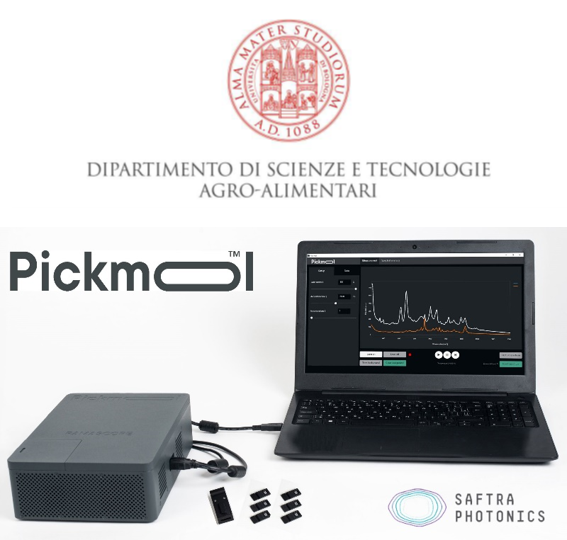
Researchers from Saftra Photonics, led by Prof. Pavol Miškovský, engaged in important dissemination activities at the University of Bologna over two consecutive years, showcasing scientific advances closely aligned with PURPEST technologies.
A) Workshop at the University of Bologna (February 2024)
In February 2024, Prof. Miškovský was invited by the Department of Agricultural and Food Sciences (DISTAL) to deliver a specialised workshop entitled:
“Surface-enhanced Raman scattering (SERS) assisted by nanosensors supporting fungal biodiversity and recycled biomass investigation.”
This workshop focused on:
the application of SERS-enhanced nanosensors for analysing biological and environmental materials;
detection of chemical markers relevant to fungal biodiversity;